From PASPA to Legal Sports Betting
The Decades-Long Shift from Federal Restriction to Thriving State Markets
The Arc of Sports Wagering Policy
Between 1992 and the mid-2020s, American policy toward sports betting underwent the most dramatic reversal in the history of commercial regulation. What was once condemned by Congress and sports commissioners as an existential threat to athletic integrity has become a ubiquitous, state-regulated commercial entertainment sector integrated into mainstream sports culture.
Sports Betting Policy Transformation: Prohibition vs. Modern Rollout
Nevada single-game monopoly in 1992 expanded to 38 legal states plus D.C. in 2026
Total legal sports handle in 2025/2026 compared to ~$1.8B in Nevada in 1992
Share of wagers placed via mobile phone applications rather than retail casino books
This historic transition traversed three distinct phases:
- 1. The Prohibition Era (1992-2011): Dominated by PASPA, which locked sports betting inside Nevada while an unregulated offshore black market grew into a 150-billion-dollar shadow economy.
- 2. The Judicial Rebellion (2011-2018): Spearheaded by New Jersey, which fought a six-year federal court battle traversing Christie I, Christie II, and the Third Circuit en banc review before reaching the Supreme Court.
- 3. The Commercial Boom (2018-2026): Unleashed by Murphy v. NCAA, prompting thirty-eight states and Washington D.C. to pass legislation legalizing retail and mobile sportsbooks.
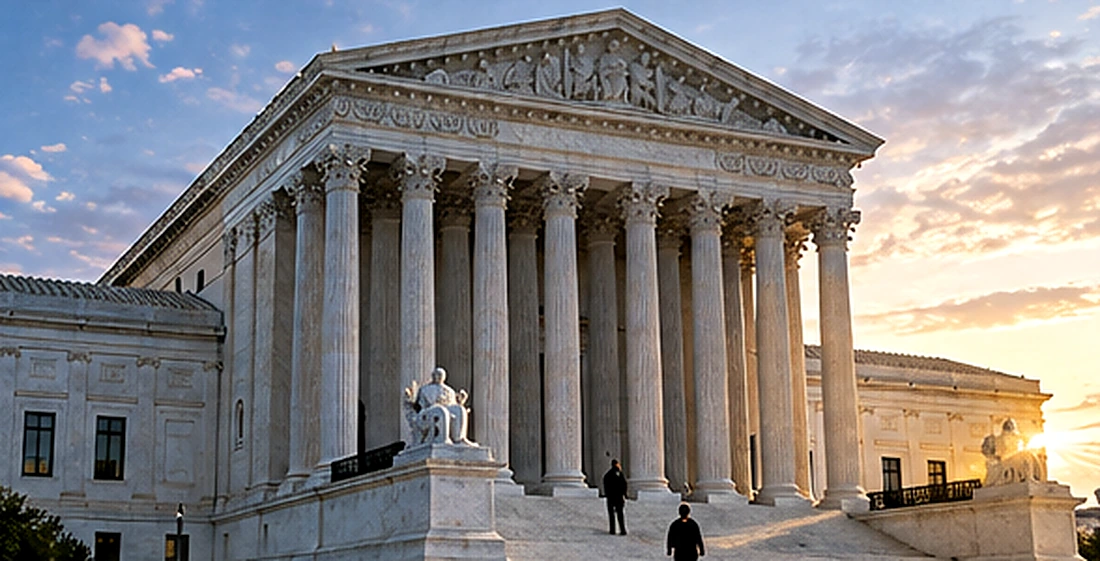
The Economic and Cultural Drivers of Legalization
The rapid collapse of prohibition was driven by profound economic and cultural realignments:
- - State Fiscal Pressures: State governments faced persistent budget deficits following the 2008 financial crisis. Legalizing sports betting provided a politically painless revenue stream dedicated to funding K-12 education, highway infrastructure, and public employee pensions.
- - The Fantasy Sports Gateway: The meteoric rise of daily fantasy sports (DFS) platforms like DraftKings and FanDuel in the 2010s acclimated millions of sports fans to smartphone wagering, demonstrating that sports fans viewed games through statistical props and real-time outcomes.
- - The League Transformation: When NBA Commissioner Adam Silver broke ranks in 2014, endorsing legal regulation in a New York Times op-ed, the traditional prohibitionist coalition fractured. Soon, every major professional league (NFL, MLB, NBA, NHL) signed lucrative data distribution and sponsorship deals with commercial sportsbooks.
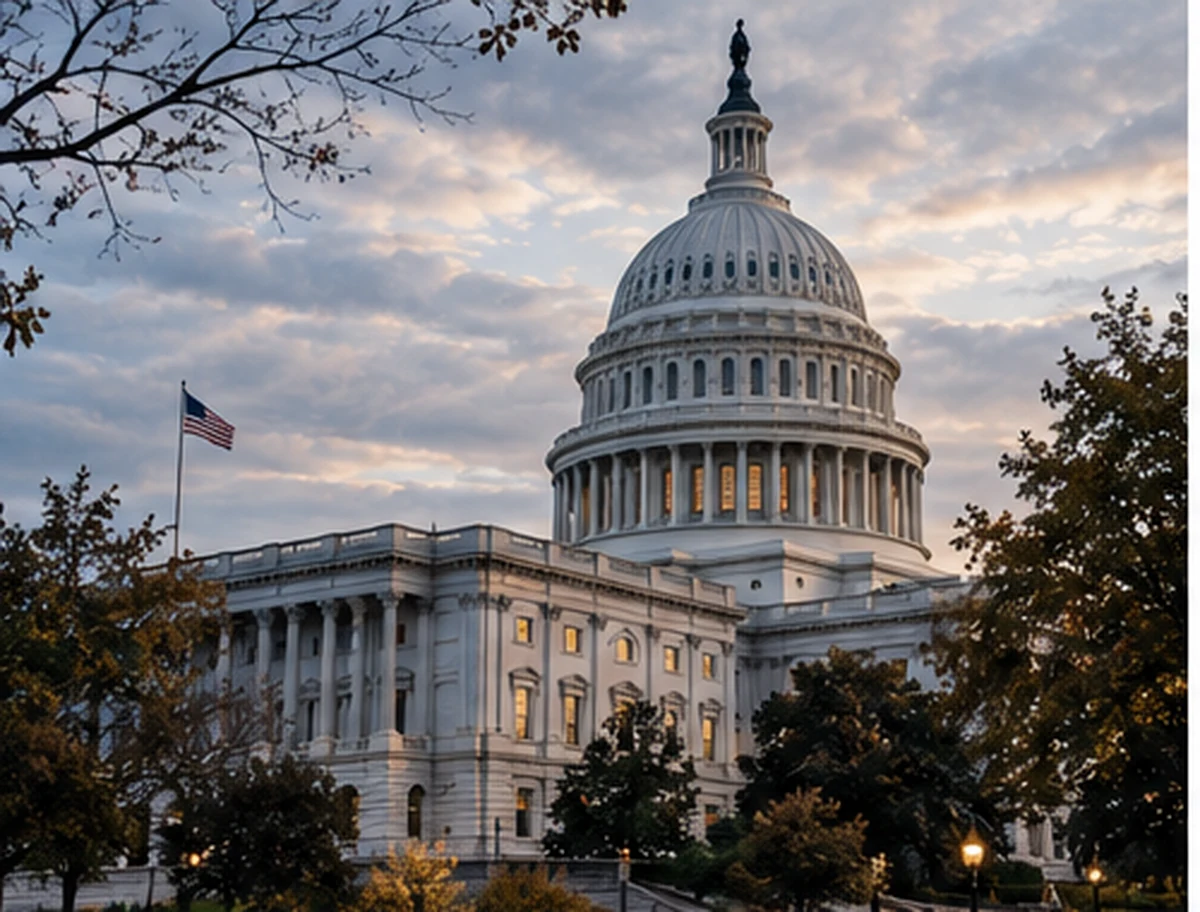
Mobile Apps and Algorithmic Odds
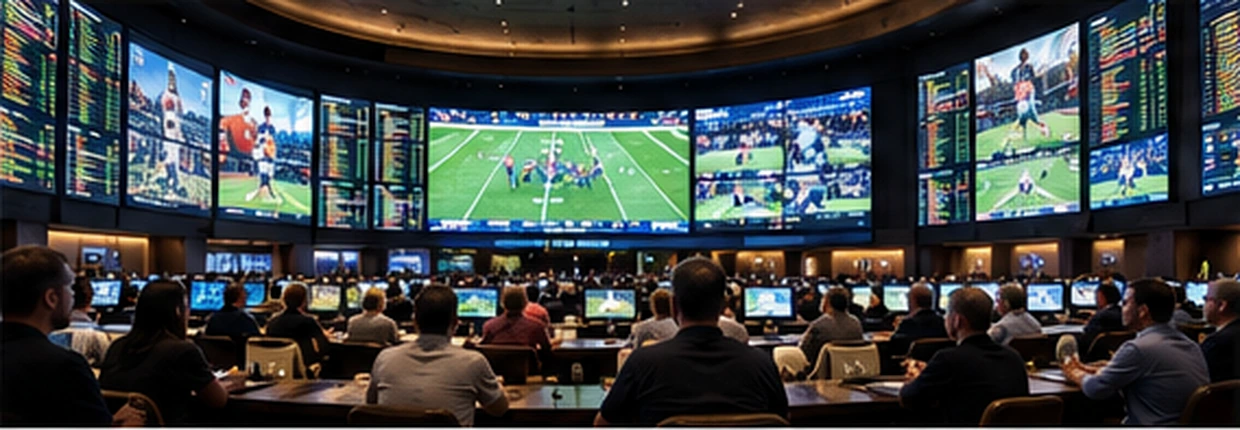
The post-PASPA market was fundamentally defined by mobile technology. Unlike Nevada's traditional market, which required bettors to physically walk into a retail casino sportsbook to place cash bets at ticket windows, modern state markets operate almost entirely on smartphones.
In mature states like New York, New Jersey, Pennsylvania, and Ohio, mobile wagering accounts for more than eighty-eight percent of total sports betting handle.
Mobile apps deployed sophisticated geolocation geofencing, biometric authentication, instant banking withdrawals, and automated odds algorithms that update point spreads after every single play. Sports betting transitioned from an occasional hobby into an interactive, real-time second-screen experience accompanying live television sports broadcasts.
Regulatory Maturation in 2026
By 2026, the initial commercial gold rush has evolved into a mature regulatory phase focused on consumer protection and long-term sustainability:
- - Banning Collegiate Prop Bets: State commissions across the country have banned individual athlete proposition bets on college sports to shield student-athletes from harassment and point-shaving threats.
- - Federal Advertising Scrutiny: Proposals like the SAFE Bet Act on Capitol Hill seek to restrict aggressive sportsbook commercials on television and ban predatory promotion terms.
- - Responsible Gaming Funding: States allocate millions of dollars annually from sports betting tax receipts to fund problem gambling helplines, diagnostic treatment clinics, and voluntary self-exclusion registries.
The journey from PASPA to modern legal sports betting proves that well-crafted state regulation is far superior to federal prohibition, replacing black-market crime with consumer protection, transparency, and vital public revenues.
| Calendar Year | Nationwide Sports Handle | Gross Gaming Revenue (GGR) | State & Local Tax Yield | Mobile Wagering Share % |
|---|---|---|---|---|
| 2018 (Post-Murphy Q3-Q4) | $4.6 billion | $430 million | $54 million | 38.0% mobile share |
| 2020 (Pandemic Acceleration) | $21.5 billion | $1.53 billion | $247 million | 79.5% mobile share |
| 2022 (Major State Expansion) | $93.7 billion | $7.47 billion | $1.52 billion | 89.2% mobile share |
| 2025 (Mature National Market) | $145.0 billion | $12.10 billion | $2.45 billion | 93.8% mobile share |
PASPA’s 26-Year Ban and Shifting League Positions
The quarter-century during which the Professional and Amateur Sports Protection Act (PASPA) governed American sports wagering represents one of the most remarkable commercial ironies in sports history. Enacted in 1992 at the urgent behest of major professional sports leagues who claimed that legal betting would destroy athletic integrity, PASPA completely failed to suppress consumer demand, driving an estimated $150 billion annually into offshore sportsbooks located in Costa Rica and Antigua.
The dramatic inflection point occurred in November 2014, when newly appointed NBA Commissioner David Stern's successor, Adam Silver, published a groundbreaking op-ed in The New York Times titled "Legalize and Regulate Sports Betting." Silver broke ranks with traditional league orthodoxy, arguing that times had changed, the underground market was flourishing without consumer safeguards, and the federal government should replace PASPA with a strict federal regulatory framework that required mandatory integrity monitoring and data transparency.
Silver's public pivot initiated an industry-wide commercial reassessment. Other league commissioners-including Rob Manfred of MLB and Roger Goodell of the NFL-quietly acknowledged that legal, regulated sports betting offered immense commercial potential for fan engagement, television ratings, and direct sponsorship revenues. By the time the Supreme Court struck down PASPA in 2018, the leagues had completely abandoned their moral prohibition stance, positioning themselves to become primary commercial beneficiaries of the emerging multi-billion-dollar legal market.
The Post-Murphy State Legislative Gold Rush and Modern Market Consolidation
The Supreme Court's May 2018 ruling in Murphy v. NCAA unleashed a historic legislative gold rush across American state capitols. Within six years of the ruling, more than thirty-eight states and the District of Columbia had enacted statutes legalizing and regulating commercial sports betting, capturing hundreds of millions of dollars in annual state tax revenues that had previously flowed to untaxed offshore bookmakers.
The post-PASPA market quickly matured into a technologically sophisticated, highly consolidated commercial sector. Mobile smartphone betting rapidly came to dominate consumer handle, accounting for more than ninety-two percent of total sports wagers in leading jurisdictions like New York, New Jersey, and Pennsylvania. Two dominant digital operators-DraftKings and FanDuel-captured over seventy percent of nationwide market share, deploying immense capital into customer acquisition, advertising, and proprietary technological platforms.
At the same time, state gaming commissions established rigorous regulatory standards, enforcing real-time geolocation tracking, strict Know-Your-Customer identity verification, and mandatory responsible gaming protocols. The transition from PASPA prohibition to legal state regulation represents the most rapid and successful policy normalization in modern American regulatory history, establishing a flourishing commercial industry governed by the principles of constitutional federalism.
Interstate Market Gaps and Regulatory Harmonization
The rapid proliferation of state-level sports wagering frameworks has produced dramatic economic and regulatory disparities across state borders. Because Congress did not enact a national sports betting regulatory code following the Murphy decision, state legislatures were free to design divergent statutory regimes reflecting local political and fiscal priorities.
These divergent policies created significant cross-border competition. Bettors residing in prohibition states or jurisdictions with restrictive retail-only frameworks regularly travel across state borders on game days to place wagers on mobile apps in neighboring jurisdictions. This dynamic compelled state lawmakers in states like Massachusetts, Ohio, and North Carolina to legalize mobile sports betting to prevent valuable tax revenues from leaking into adjacent states.
As the post-PASPA market reaches maturity in 2026, the primary challenge facing state regulators is intergovernmental harmonization. State gaming control boards collaborate through regional working groups to coordinate consumer protection standards, establish shared problem-gambling self-exclusion lists, and align advertising restriction rules, demonstrating that cooperative federalism continues to evolve dynamically in the post-prohibition era.
The Three Phases of Modern Sports Betting Policy
The Three Phases of Modern Sports Betting Policy
Phase 1 (1992-2011): Prohibition under PASPA and the rise of offshore bookmakers. Phase 2 (2011-2018): New Jersey constitutional challenge culminating in Murphy v. NCAA. Phase 3 (2018-2026): 38 states legalize mobile sportsbooks, generating over $120B in annual handle.