Did Presidents Control US Gambling Policy?
The Executive Illusion: How Courts, Congress, and State Governors Drove Every Major Policy Shift
Presidents and Commercial Gaming Limits
In the American constitutional system, the President of the United States is frequently perceived by the public as the primary driver of national policy. Presidential signing ceremonies, executive orders, and White House press statements create the impression that the occupant of the Oval Office dictates the course of the nation's commercial laws.
However, an exhaustive historical analysis of American gambling policy reveals an entirely different reality: United States presidents have almost never proactively controlled or directed national gambling policy.
With the notable exception of Robert F. Kennedy's anti-racketeering drive during his brother's administration in 1961, every major transformation in American gaming history was initiated by outside forces:
- - State constitutional ballot referendums;
- - State governors seeking budget relief;
- - Congressional backroom committee maneuvers;
- - Sovereign tribal leaders fighting for treaty rights;
- - Landmark rulings issued by federal appellate courts and the Supreme Court of the United States.

The Reactive Presidency: From Reagan to Bush 43
A careful examination of landmark presidential administrations demonstrates this reactive pattern:
Locus of Power in American Gambling Policy Formation
| Jurisdictional Tier | Statutory Scope & Authority | Constitutional Boundaries & Limits |
|---|---|---|
| The Presidency & Executive Branch Executive Scope | Sets Department of Justice prosecutorial guidelines, appoints agency heads (CFTC, NIGC, Treasury), and executes statutory mandates. | Strictly reactive; cannot create federal crimes or regulate intrastate gambling without statutory delegation from Congress. |
| The United States Congress Legislative Scope | Enacts comprehensive interstate statutory frameworks (Wire Act, IGRA, PASPA, UIGEA) under the Interstate Commerce Clause. | Tenth Amendment anti-commandeering doctrine limits federal authority; Congress cannot order states to ban or regulate gambling. |
| State Governors & Legislatures Primary Policy Engine | Exercise inherent police powers to legalize, license, and tax commercial gaming; negotiate sovereign Class III compacts with tribes. | Subject to federal telecommunications restraints (Wire Act) and federal anti-money laundering banking rules (Bank Secrecy Act/UIGEA). |
| The Federal Judiciary Constitutional Arbiter | Enforces constitutional federalism boundaries (Murphy, Cabazon), invalidates executive overreach, and resolves statutory ambiguities. | Adjudicates only active cases and controversies; cannot craft proactive legislative compromises. |
Ronald Reagan and Tribal Gaming: President Reagan never proposed or drafted the Indian Gaming Regulatory Act. The expansion of tribal gaming was initiated by tribal leaders like the Cabazon Band in California and the Seminole Tribe in Florida. When the Supreme Court issued its 1987 Cabazon ruling, Congress was forced to act to prevent chaos. Reagan merely signed Senate Bill 555 when it reached his desk in October 1988.
George H. W. Bush and PASPA: The 1992 sports betting ban was not a White House initiative. The bill was drafted by Senator Bill Bradley of New Jersey and propelled by the aggressive lobbying of the NFL, NBA, and NCAA. In fact, the Bush Justice Department formally warned Congress that the bill raised serious Tenth Amendment federalism concerns, but President Bush signed it anyway due to overwhelming congressional majorities.
George W. Bush and UIGEA: The Unlawful Internet Gambling Enforcement Act of 2006 was not part of President Bush's legislative agenda. It was a pet project of Representative Jim Leach and was attached at midnight to the SAFE Port Act by Senate Majority Leader Bill Frist. President Bush signed the port security bill to bolster national security credentials before the 2006 midterms, with UIGEA riding along as an unnoticed rider.
The Supreme Court as Policy Arbiter
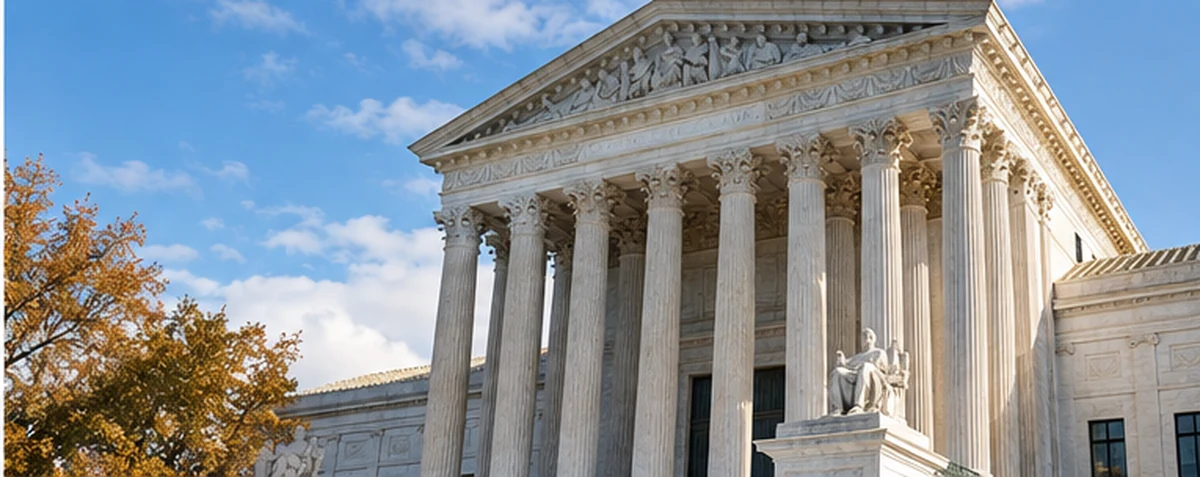
Far more than any presidential administration, the Supreme Court of the United States has served as the definitive architect of American gambling policy:
1. California v. Cabazon Band (1987): Struck down state civil regulatory authority over sovereign reservations, single-handedly unleashing the forty-billion-dollar tribal gaming economy.
- 2. Seminole Tribe of Florida v. Florida (1996): Invalidated congressional authority to abrogate state Eleventh Amendment immunity under IGRA, reshaping tribal-state compact negotiations.
- 3. Murphy v. NCAA (2018): Struck down PASPA under the Tenth Amendment anti-commandeering doctrine, ending the twenty-six-year federal sports betting prohibition and launching a multi-billion-dollar commercial market in thirty-eight states.
In each of these historic cases, the executive branch played a defensive, amicus role. In both Cabazon and Murphy, the Department of Justice argued in defense of federal supremacy, only to be resoundingly overruled by the Supreme Court.
Locus of Power: Governors and Regulators
Ultimately, the real power over American gambling policy resides in state capitals and independent regulatory commissions.
It was Governor Chris Christie and the New Jersey Legislature who funded and fought the decade-long constitutional crusade that destroyed PASPA. It was state gaming directors in New York and Illinois who prompted the 2011 Wire Act reinterpretation. It is state gaming control boards in Nevada, Pennsylvania, and Michigan that write the rules governing mobile wagering, slot machine mechanics, and casino taxation.
At the federal level, power has increasingly shifted from the White House to specialized administrative bodies: the National Indian Gaming Commission (NIGC), the Department of the Treasury's Financial Crimes Enforcement Network (FinCEN), and the Commodity Futures Trading Commission (CFTC).
American presidents have functioned not as master strategists of gambling policy, but as reactive managers navigating a complex, decentralized federalist system governed by state voters, sovereign tribes, and constitutional courts.
Why Congress and the Courts Drove National Gambling Policy
A central paradox of American political history is that while presidential campaigns routinely attract national media headlines, occupants of the Oval Office have rarely exercised direct control over the trajectory of national gambling policy. Under the constitutional separation of powers established in Article I and Article II, the power to regulate interstate commerce and define federal criminal offenses belongs exclusively to Congress, while the authority to interpret statutory ambiguities resides in the federal judiciary.
Historical records from presidential archives confirm that major shifts in gambling policy were driven primarily by congressional committee leaders and federal judges, rather than White House policy directives. For example, the Indian Gaming Regulatory Act of 1988 was forced upon a reluctant Reagan administration by the Supreme Court's Cabazon decision and crafted by bipartisan congressional leaders Daniel Inouye and Morris Udall. Similarly, PASPA in 1992 was championed by Senator Bill Bradley and major sports leagues, over the explicit constitutional reservations of the George H.W. Bush Justice Department.
Even in the digital era, the passage of UIGEA in 2006 was executed through midnight congressional procedural maneuvers engineered by Senate Majority Leader Bill Frist, rather than an executive initiative from the Bush White House. Presidential administrations have historically functioned not as the architects of national gaming policy, but as executive managers tasked with administering statutory compromises enacted by Congress.
Presidential Appointments to Federal Courts and DOJ OLC
Where presidential administrations have exerted decisive, lasting influence over commercial gaming is through the power of administrative and judicial appointments. A president's selection of the Attorney General, the Assistant Attorney General for the Office of Legal Counsel (OLC), and federal judges directly shapes how existing statutory codes are interpreted and enforced across the nation.
The profound impact of presidential appointments was dramatically demonstrated in the dueling OLC opinions governing the Wire Act. Under President Obama, Assistant Attorney General Virginia Seitz authored the 2011 OLC memorandum that restricted the Wire Act to sports betting, single-handedly launching the modern state-regulated online casino and lottery industry. Seven years later, under President Trump, Assistant Attorney General Steven Engel issued a complete reversal that sought to re-criminalize online gaming, before being vacated by federal judges appointed during prior administrations.
Furthermore, presidential nominations to the Supreme Court of the United States have repeatedly altered the constitutional balance of gaming federalism. The landmark 7-2 Murphy decision striking down PASPA was authored by Justice Samuel Alito (appointed by George W. Bush) and joined by a cross-ideological coalition of justices committed to the anti-commandeering doctrine, demonstrating that a president's judicial legacy often determines the destiny of national gaming policy long after their term has ended.
Three Catalysts That Truly Dictated US Gambling Policy
Three Catalysts That Truly Dictated US Gambling Policy
1. Direct Democracy: State ballot referendums amending state constitutions. 2. Judicial Rulings: Supreme Court precedents in Cabazon (1987) and Murphy (2018). 3. Congressional Riders: Backroom maneuvers like UIGEA being attached to the SAFE Port Act in 2006.