
Sources and Methodology
Primary Legal Documents, Statutory Analysis, and Historical Fact-Checking Standards
Primary Source Primacy
U.S. Gambling Policy follows a strict research methodology anchored in primary government documentation. Rather than relying on secondary commentary or journalistic summaries, our research team reconstructs historical events directly from original records preserved in federal and state government repositories.
Our primary research collections include:
- The United States Code and Statutes at Large: Analyzing original statutory language enacted by Congress, including Public Law 87-216 (Wire Act), Public Law 100-497 (IGRA), Public Law 102-559 (PASPA), and Public Law 109-347 (UIGEA).
- Congressional Record & Committee Transcripts: Reviewing verbatim transcripts of committee hearings, markup sessions, floor debates, and conference committee reports from the 87th Congress to the 119th Congress.
- Federal Court Dockets & Slip Opinions: Examining official judicial opinions, appellate briefs, amicus curiae filings, and oral argument transcripts from federal district courts, courts of appeals, and the Supreme Court of the United States.
- Executive Branch & Agency Records: Analyzing formal published legal opinions from the Department of Justice Office of Legal Counsel (OLC), administrative rulemaking dockets from the CFTC, and compact approval notices from the Department of the Interior.
- State Regulatory Filings: Reviewing official licensing decisions, audit reports, and revenue statistics published by the Nevada Gaming Control Board, the New Jersey Division of Gaming Enforcement, the Pennsylvania Gaming Control Board, and the Michigan Gaming Control Board.
The Five-Tier Archival Evidence Hierarchy
All factual statements, statutory claims, and legal analyses in our archive are classified and verified according to five rigorous evidence tiers:
- Level A (Primary Statutory & Constitutional Texts): United States Code, Public Laws, and Supreme Court slip opinions.
- Level B (Official Executive & Agency Records): Presidential memoranda, formal DOJ Office of Legal Counsel opinions, and Federal Register rulemaking notices.
- Level C (Legislative & Regulatory Dockets): Congressional hearing transcripts, committee reports, and state gaming control board enforcement rulings.
- Level D (Verified Quantitative Data): Official campaign finance filings (FEC), state tax commission revenue audits, and state gaming control board monthly reports.
- Level E (Reputable Historical Scholarship): Peer-reviewed academic treatises, legal reviews, and definitive biographical histories.
Fact-Checking and Verification Standards
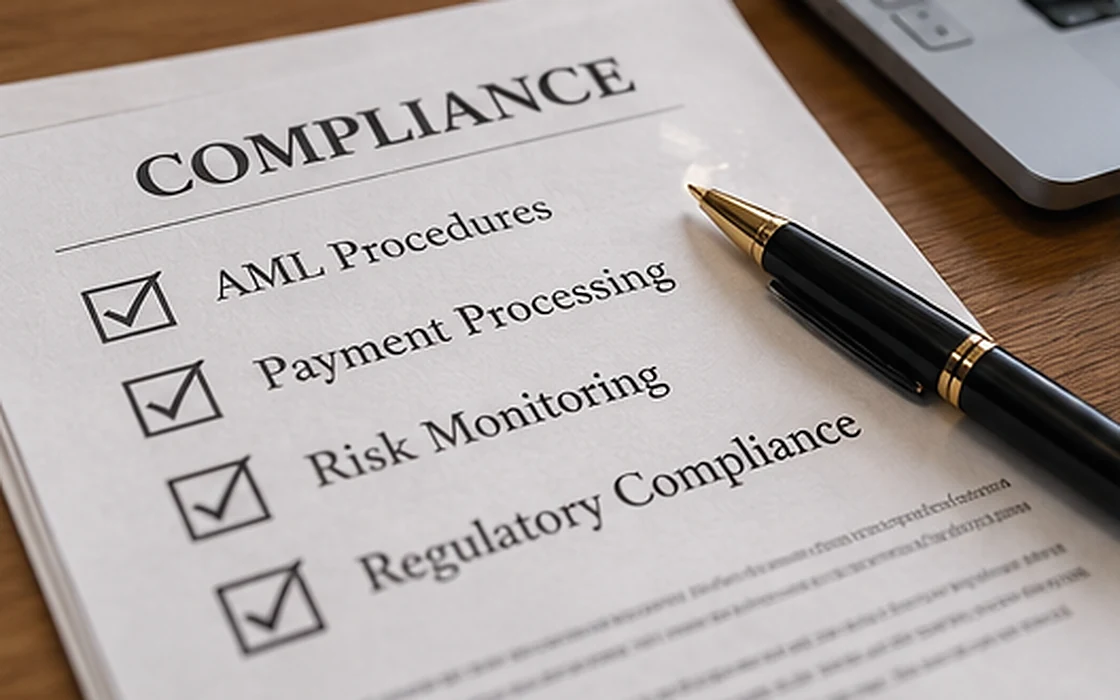
Every factual statement, statutory citation, and historical date published in our archive undergoes multi-stage verification. Historical claims are verified against at least two independent primary records or contemporary official government accounts.
Our editorial team adheres to a strict standard of evidence: we separate verified historical facts from political commentary and judicial arguments. Where legal interpretations conflict-such as the differing views of the Wire Act in the 2011 and 2018 OLC opinions-our analyses objectively lay out the competing statutory arguments and cite the binding judicial rulings that resolved the dispute.